
Subscribe by Email

Your email:

The Duncan Download Blog: Business Aviation Advice & Observations

Current Articles | RSS Feed RSS Feed

200+ Aviation Acronyms in Celebration of Duncan Download's 200th Post


Aviation Acronyms

There are nearly 3,000 identified aviation acronyms. Do you know them all?

Each industry has their own set of acronyms and abbreviations that often leave outsiders scratching their heads. There are nearly 3,000 identified aviation acronyms. However, in honor of the Duncan Download’s 200thblog post, I asked our own experts to share 200 aviation-related acronyms that they use most during a normal work day. These overachievers sent me nearly 300.

Do you know them all?

  1. (°C) — Degrees Celsius
  2. (°F) — Degrees Fahrenheit
  3. (A/D) — Analog to Digital Converter
  4. (A/I) — Anti-Icing
  5. (ac) — Alternating Current
  6. (A/C) — Aircraft
  7. (ACO) — Administrative Contracting Officer
  8. (AD) — Airworthiness Directive
  9. (ADC) — Air Data Computer
  10. (ADF) — Automatic Direction Finding
  11. (ADI) — Attitude Indicator
  12. (ADS-B)Automatic Dependent Surveillance - Broadcast
  13. (AES) — Automatic Export System
  14. (AFIS) — Airborne Flight Information System
  15. (AFM) — Aircraft Flight Manual
  16. (AGB) — Accessory Gearbox
  17. (AGC) — Automatic gain control
  18. (AHRS) — Attitude Heading Reference System
  19. (ALI) — Airworthiness Limitation Item
  20. (AMM) — Aircraft Maintenance Manual
  21. (AMS) — Aerospace Material Specification
  22. (ANAC) — Agência Nacional de Aviação Civil
  23. (AOG) — Aircraft on Ground
  24. (APR) — Automatic Power Recovery
  25. (APU) — Auxiliary Power Unit
  26. (ARINC) — Aeronautical Radio Incorporated
  27. (ASAP) — As Soon As Possible
  28. (ASNT) — American Society of Nondestructive testing
  29. (ASSY) — Assembly
  30. (ATA) — Air Transportation Association
  31. (ATC) — Air Traffic Control
  32. (ATIS) — Automatic Terminal Information Service
  33. (ATTCS) — Automatic Take Off Thrust Control System
  34. (BAFO) — Best and Final Offer
  35. (BER) — Beyond economical repair
  36. (BIS) — Bureau of Industry and Security
  37. (BIT) — Binary Digit
  38. (BITE) — Built-in Test Equipment
  39. (BOV) — Bleed-off Valve
  40. (C/P) — Chief Pilot
  41. (C12) — King Air
  42. (C20) — Gulfstream
  43. (C21) — Learjet
  44. (CA) — Certificate of Airworthiness
  45. (CAA) — Civil Aviation Agency
  46. (CAC) — Common Access Card
  47. (CAM) — Certified Aviation Manager
  48. (CAMP) — Computerized Maintenance Program
  49. (CANPASS) — Canadian Passenger Accelerated Service System
  50. (CASP) — Corporate Aircraft Service Program
  51. (CAV) — Commercial Asset Visibility
  52. (CBP) — Customs and Border Patrol
  53. (cc) — Cubic Centimeters
  54. (CCW) — Counterclockwise
  55. (CDP) — Compressor Discharge Pressure
  56. (CDRL) — Contract Data Requirements List
  57. (CDU) — VHF Radio Transceiver
  58. (CFR) — Code of Federal Regulations
  59. (CG) — Center of Gravity
  60. (CIT) — Compressor Inlet Temperature
  61. (CL) — Class
  62. (CLS) — Contractor Logistics Support
  63. (CMR) — Certification Maintenance Requirement
  64. (CMS)Cabin Management System
  65. (COC) — Certificate of Calibration
  66. (Comm) — Communication
  67. (COMSEC) — Communications Security
  68. (CONUS) — Continental United States
  69. (COO) — Country of Origin
  70. (COTR) — Contracting Officer's Technical Representative
  71. (CPAR) — Contractors Performance Assessment Reporting System
  72. (CPCP)Corrosion Prevention Control Program
  73. (CPDLC) — Controller Pilot Data Link Communication
  74. (CPU) — Central Processing Unit
  75. (CRM) — Crew Resource Management
  76. (CRT) — Cathode Ray Tubes
  77. (CSN) — Catalog Sequence Numbers - Cycles Since New
  78. (CVR) — Cockpit Voice Recorder
  79. (CW) — Clockwise
  80. (CZI) — Compressor Zone Inspection
  81. (CZR) — Compressor Zone Repair
  82. (D/A) — Digital to Analogue Converter
  83. (DAR) — Designated Airworthiness Representative
  84. (DCAA) — Defense Contract Audit Agency
  85. (DCMA) — Defense Contracting Management Agency
  86. (DFAR) — Defense Federal Acquisition Regulations
  87. (DFDR) — Digital Flight Data Recorder
  88. (DH) — Decision Height
  89. (DIA) — Diameter
  90. (Dim.) — Dimension
  91. (DME) — Distance Measuring Equipment
  92. (DOD) — Domestic Object Damage
  93. (D.O.D.) — Department of Defense
  94. (DOM) — Director of Maintenance
  95. (DOS) — Department of State
  96. (DPHM) — Diagnostics, Prognostics and Health Management
  97. (DSS) — Defense Security Service
  98. (DUATS) — Direct User Access Terminal Service (weather/flight plan processing)
  99. (e-APIS) — Electronic Advanced Passenger Information System
  100. (EAR) — Export Administration Regulations
  101. (EASA) — European Aviation Safety Agency
  102. (ECCN) — Export Commodity Control Number
  103. (ECS) — Environment Control System
  104. (ECTM) — Engine Condition Trend Monitoring
  105. (EDS) — Engine Diagnostic System
  106. (EDU) — Engine Diagnostic Unit
  107. (EEC) — Electronic Engine Control
  108. (EEI) — Electronic Export Information
  109. (EERM) — Electrically Erasable Read Only Memory
  110. (EFB) — Electronic Flight Bag
  111. (EFD) — Electronic Flight Display
  112. (EFIS) — Electronic Flight Instrument System
  113. (EGWS) — Enhance Ground Proximity Warning System
  114. (EGT) — Exhaust Gas Temperature
  115. (EICAS) — Engine Indication and Crew Alert
  116. (ELT) — Emergency Locator Transmitter
  117. (EPR) — Engine Pressure Ratio
  118. (ESO) — Electronic Sign Off (somewhat unique to Duncan Aviation)
  119. (ESP) — Engine Service Plan
  120. (ET) — Eddy Current Testing
  121. (ETD/(A)/(E) — Estimated Time of Departure/(Arrival)/(Enroute)
  122. (F & C) — Fits and Clearances
  123. (FAA) — Federal Aviation Administration
  124. (FADEC) — Full Authority Digital Electronic Control
  125. (FANS)Future Air Navigation System
  126. (FAR) — Federal Aviation Regulation
  127. (FBO)Fixed Base Operation
  128. (FCPA) — Foreign Corrupt Practices Act
  129. (FCS) — Flight Control System
  130. (FCU) — Fuel Control Unit
  131. (FET) — Federal Excise Tax
  132. (FI) — Flight Idle
  133. (FIR) — Full Indicator Reading
  134. (FIS) — Flight Inspection System
  135. (FMC) — Flight Management Computer
  136. (FMS) — Flight Management System
  137. (FOB) — Fuel On Board
  138. (FOD) — Foreign Object Damage
  139. (FSDO) — Flight Standards District Office
  140. (FSO) — Facility Security Officer
  141. (FSOV) — Fuel Shut-off Valve
  142. (FT) — Function Test
  143. (FTR) — Federal Trade Regulations
  144. (FWD) — Forward
  145. (GBS) — Ground Based Software
  146. (GEAE) — GE Aircraft Engines
  147. (GFP) — Government Furnished Property
  148. (GI) — Ground Idle
  149. (GND) — Ground
  150. (GOM) — General Operations Manual
  151. (GPS) — Global Positioning System
  152. (GPWS) — Ground Proximity Warning System
  153. (H/W) — Hardware
  154. (HIRL) — High Intensity Runway Lighting
  155. (HP) — High Pressure
  156. (HPT) — High Pressure Turbine
  157. (HR.) — Hour
  158. (HSD)High Speed Data
  159. (HSI) — Hot Section Inspection
  160. (HSI)Horizontal Situation Indicator
  161. (HSR) — Hot Section Refurbishment
  162. (HTS) — Harmonized Tariff System
  163. (Hz) — Hertz
  164. (I) — Incident
  165. (IAW) — In Accordance With
  166. (ICA) — Instructions for Continued Airworthiness
  167. (ICAO) — International Civil Aviation Organization
  168. (ID) — Inside Diameter
  169. (IDG) — Integrated Drive Generator
  170. (IETM) — Interactive Engine Technical Manual
  171. (IFR) — Instrument Flight Rules
  172. (IGV) — Inlet Guide Vane
  173. (ILS) — Instrument Landing System
  174. (in.) — Inch
  175. (INBD) — Inboard
  176. (IPC) — Illustrated Parts Catalog
  177. (ISO) — International Standards Organization
  178. (ITAR)International Traffic and Arms Regulations
  179. (ITT) — Interturbine Temperature
  180. (JAR OPS) — Joint Aviation Requirement for Operation (Europe)
  181. (JPAS) — Joint Personnel Adjudication System
  182. (JTR) — Joint Travel Regulations
  183. (kg.) — Kilogram
  184. (kPa) — Kilopascals
  185. (L/HIRF) — Lightning/High Intensity Radiated Field
  186. (lb.) — Pound
  187. (LOI) — Letter of Intent
  188. (LPT) — Low Pressure Turbine
  189. (LPV)Localizer Performance with Vertical guidance
  190. (LRM) — Line Replaceable Module
  191. (LRU) — Line Replaceable Unit
  192. (M/N) — Model Number
  193. (Max) — Maximum
  194. (MDA) — Minimum Descent Altitude
  195. (MEL) — Minimum Equipment List
  196. (MFC) — Main Fuel Control
  197. (MFD) — Multi-Function Display
  198. (Min) — Minimum
  199. (MLG) — Main Landing Gear
  200. (MM) — Maintenance Manual
  201. (MOA) — Military Operations Area
  202. (MPA) — Maximum Power Assurance
  203. (MPD) — Maintenance Planning Document
  204. (MPI)Major Periodic Inspection
  205. (MPU) — Multifunction Processor Unit
  206. (MRA) — Major Repair/Alteration
  207. (MRB-R) — Maintenance Review Board Report
  208. (MSG-3) — Maintenance Steering Group 3rd Task Force Aircraft Maintenance Program
  209. (MSP) — Maintenance Service Plan
  210. (MT) — Magnetic Particle Testing
  211. (MU) — Measurement Uncertainty
  212. (MUR) — Measurement Uncertainty Ratio
  213. (N2 -) — Nitrogen
  214. (NAA) — National Aviation Agency
  215. (NATO) — North Atlantic Treaty Organization
  216. (NAV) — Navigation
  217. (NBAA) — National Business Aviation Association
  218. (NDB) — Non-Directional Beacon
  219. (NDT) — Non-Destructive Testing
  220. (NextGen)Next Generation Air Transportation System
  221. (NFF) — No Fault Found
  222. (NICAD) — Nickel Cadmium
  223. (NIST) — National Institute of Standards & Technology
  224. (NLG) — Nose landing gear
  225. (NOTAM) — Notice to Airmen
  226. (O2) — Oxygen
  227. (OC) — On condition
  228. (OCONUS) — Outside Continental United States
  229. (ODA)Organization Delegation Authorization
  230. (OH) — Overhaul
  231. (OIML) — International Organization for Legal Metrology
  232. (OOT) — Out of Tolerance
  233. (OUTBD) — Outboard
  234. (P/N) — Part Number
  235. (PAMA) — Professional Aviation Maintenance Association
  236. (PAR) — Previous Authorization Required
  237. (PCO) — Procuring Contracting Officer
  238. (PIC) — Pilot In Command
  239. (PIREP) — Pilot Reports
  240. (PM) — Program Manager
  241. (PMA)Parts Manufacturer Approval
  242. (POA) — Power of Attorney
  243. (PSE) — Primary Structural Element
  244. (PSU) — Passenger service unit
  245. (PT) — Penetrant testing
  246. (PWS) — Performance Work Statement
  247. (QA) — Quality Assurance 
  248. (QAR) — Quality Assurance Representative
  249. (QCM) — Quality Control Manual
  250. (QT) — Quick Turn
  251. (RAAS) — Runway Awareness and Advisory System
  252. (RAD) — ALT Radio Altimeter
  253. (RAT) — Ram Air Turbine
  254. (RFI) — Request for Information
  255. (RFM) — Removed From Market
  256. (RFQ)Request for Quote
  257. (RNAV) — Area Navigation
  258. (RNP) — Required Navigation Performance
  259. (ROM) — Rough order of magnitude
  260. (RSGOM) — Repair Station General Operating Manual
  261. (RSM) — Repair Station Manual
  262. (RTS) — Return To Service
  263. (RTU) — Radio Tuning Unit
  264. (RVSM)Reduced Vertical Separation Minimums
  265. (S/N) — Serial Number
  266. (SATCOM)Satellite Communications
  267. (SB) — Service Bulletin
  268. (SBB)Swiftbroadband
  269. (SELCAL) — Selective Calling
  270. (SHOT) — Since Hot Section Overhaul
  271. (SIC) — Second In Command
  272. (SMOH) — Since Major Overhaul (Engines)
  273. (SMS) — Safety Management System
  274. (SOP) — Standard Operating Procedure
  275. (SOW) — Statement of Work
  276. (STC)Supplemental Type Certificate
  277. (TAF) — Terminal Area Forecast
  278. (TAP) — Total Assurance Program
  279. (TAR) — Test Accuracy Ratio
  280. (TAWS) — Terrain Awareness Warning System
  281. (TBO) — Time Between Overhaul
  282. (TCAS) — Traffic Collision Avoidance System
  283. (TCAS MOPS 7.1) — Minimum Operation Performance Specification 7.1
  284. (TCH) — Threshold Crossing Height
  285. (TFR) — Temporary Flight Restriction
  286. (TSA) — Transportation Security Administration
  287. (TSH) — Time Since Hot (Engines)
  288. (TSN) — Time Since New
  289. (TSO) — Time Since Overhaul
  290. (TTSN) — Total Time Since New
  291. (TUR) — Test Uncertainty Ratio
  292. (UC) — Under Contract
  293. (USCG) — United States Coast Guard
  294. (UT) — Ultrasonic Testing
  295. (VFR) — Visual Flight Rules
  296. (VSI) — Vertical Speed Indicator
  297. (WAAS)Wide Area Augmentation System
  298. (Wi-Fi) — Wireless Fidelity

Duncan Aviation is an aircraft service provider supporting the aviation needs of government and business operators and other service providers. Services include major and minor airframe inspections, engine maintenance, major retrofits for cabin and cockpit systems, full paint, interior and modification services and pre-owned aircraft sales and acquisitions. Duncan Aviation also has aircraft components and parts solutions experts available 24/7/365 at 800.228.1836 or 402.475.4125 (international) who can handle any aircraft system problem with immediate exchanges, rotables, loaners or avionics/instrument/accessory/propeller repairs and overhauls.

Complete service facilities are located in Lincoln, Nebraska, and Battle Creek, Michigan. Additional locations include a maintenance facility in Provo, Utah, more than 20 satellite avionics facilities and eight engine Rapid Response Team launch offices strategically located for worldwide support.   

For more information about any of Duncan Aviation’s services, contact us at 402.475.2611 or 800.228.4277. Or visit us on the web at www.DuncanAviation.aero.

For more updates from Duncan Aviation, please follow us on Twitter and become a fan on Facebook.

How A Nose Wheel Steering Malfunction Left A Lasting Impression


Brad Sides

Brad Sides is a 12-year Duncan Aviation veteran, leading by example by delivering what is required to meet a customer's expectation. "It's all in a day's work."

In late March, a customer contacted Duncan Aviation for off-site assistance with a nose wheel steering malfunction. This customer sent the following letter to Allen Sward, Duncan Aviation Airframe Team Leader, regarding the experience. We decided to share these remarks because although we can say we hold ourselves to a higher standard of service than other service providers in business aviation, nothing says it quite like our customers do. The customer's name and company have been removed at his request.

Allen,

On March 28, 2012, our C680 had a Nose Wheel Steering malfunction in Nebraska City, NE. Our in-house maintenance department contacted Duncan Aviation in Lincoln. Your maintenance technician, Brad Sides was assigned the task of repairing our aircraft remotely. Brad made the drive down to AFK immediately and began the work required. He worked non-stop until late that evening, and then returned again the following morning to complete the repair which allowed us to ferry the aircraft to LNK for the functional tests required.

I have been in corporate aviation for 21 years and have experienced maintenance at many other service facilities. Duncan Aviation and Brad Sides made this maintenance event the best I have ever experienced.

Things that impressed me regarding Brad:

  • He was there when we were told he would be.
  • He stayed until late to get the part off of the aircraft for repairs.
  • He coordinated with Lincoln to move the part back to the shop quickly.
  • He was very pleasant, friendly, and professional.
  • He explained everything easily and kept me informed on the process.
  • His expert skills speak for themselves.
  • Bottom line........he gave 100%!


“Great People make Great Companies!” so,

Things that impressed me regarding Duncan:

  • They responded quickly.
  • They obviously have people who know their job.
  • All of the employees seem to work very well together communicating and closing the gaps.
  • Everyone involved in the maintenance was friendly and professional.
  • The front desk staff was very helpful, friendly, and professional.
  • The best part.......we were out of there when Duncan said we would be!

Thanks again for making this event as pleasurable as possible.

Sincerely,
Senior Pilot, Fortune 300 Company

Brad Sides, Duncan Aviation Lead Mechanic from Lincoln, NE, believes one of the most important parts of his job is to deliver exactly what the customer expects, but strives to deliver more. "This customer came to Duncan Aviation expecting the best. That's the level of service that I want to provide." Brad is a 12-year Duncan Aviation veteran, his aviation career began in 1998.

Duncan Aviation offers emergency AOG services and 24/7 troubleshooting for grounded aircraft in your hangar or around the world, with remote AOG engine Rapid Response teams based at several strategic locations across the United States. All AOG teams that respond are equipped with the resources necessary for most aircraft and engine emergencies, and are supported by Duncan Aviation's two full-service facilities and network of avionics satellite repair stations.

Duncan Aviation’s mobile app is available for download on iPads®, and makes it easier to contact service locations, service representatives and department listings.

For more updates from Duncan Aviation, please follow us on Twitter and become a fan on Facebook.

Duncan Aviation Technicians Travel the World in 2011


In 2011, Duncan Aviation team members made hundreds of trips around the world providing AOG services. While providing the most-needed AOG services to our customers on nearly every Continent, team members also took in some local culture, food and sites.

Berlin, Germany

Berlin, Germany

In March, Scott Shefke, Challenger/Global Tech Rep, traveled to Berlin,Germany, to perform and assess the viability of restoring a Challenger CL 604 to airworthiness status. The project included performing engine boroscopes, performance runs, system operations checks, fuel sampling and general condition of aircraft.

“Berlin is a magnificent city to visit,” says Scott. “It is rich with history.”

Cairo, Egypt

Cairo, Egypt

In Cairo, Egypt, Dan Soderstrom, Master Turbine Engine Mechanic, and Bill Walker, Engine Tech Rep, were in the right place at the right time when one project turned into two. While troubleshooting a faulty fuel control unit on a Hawker 800XP, a local Hawker 850XP operator approached them for assistance in fixing leaking starter/generator seals.

Both Dan and Bill said that everyone they had contact with in Egypt were very nice and helpful. Dan hopes to have more opportunity to see the great city if he gets the chance to go in the future.  

Bordeaux, France

St. Emilion, France

Ron Grose, Falcon Tech Rep, attended the annual Falcon 7X Steering Committee meeting in May, in Bordeaux, France, a beautiful old city located in southwestern France along the Garonne River, surrounded by elite vineyards. As a member of the steering committee, Ron and others oversee the development of the scheduled maintenance program for the Falcon 7X aircraft.

One of Ron’s favorite places to visit was the small village of Saint Emilion. It is a 1,700 year old village which was, at one time, surrounded by a large moat used for protection against the warring tribes. This quaint village had narrow cobblestone streets, great restaurants and many wine tasting shops.

Brisbane, Australia

Brisbane, Australia

Duncan Aviation Fuel System Lead Technician, Jon Abrahamsen, took a week long trip to Australia in May. He was dispatched to repair a wing junction plate fuel leak on a Falcon 2000EX.

Jon used one of his days to drive two hours down to Surfers Paradise, a large tourist beach. He also took the train downtown to the south shore for dinner and a couple of local beers. Jon says the area was beautiful.

Shanghai, China

Shanghai, China

Scott Howell, Airframe Lead Mechanic, along with three other fellow Duncan Aviation team members, traveled to Shanghai, China to complete a crucial fix on a Falcon 7X. Getting tools and equipment through customs posed a challenge, but the team stuck to the task, completing the project early.

On the first full day of their trip, the group made their way to The Bund, a mile long street lined with shopping. A local gentleman led them beyond the glamour of these stores to another area. Here, they had the adventure of walking up steep wooden stairs, entering into random people’s homes, where they bargained with local merchants for various items. It is an experience they will not soon forget. Scott describes the city’s transportation as very convenient and clean. The food was not what he would have suspected, but enjoyed trying the various delicacies of the region. 

Santo Domingo, Dominican Republic

Ned Shanks, Engine Rapid Response Tech out of Fort Lauderdale, FL, made a trip to Santo Domingo, Chile, in October to assist a customer. The #1 engine on their Lear 35 would not start. Having seen this squawk many times before, Ned suspected there was an issue with the aircraft’s igniter box and prepared for his trip with this in mind. This was a very important job because the aircraft was an air ambulance and was scheduled to fly a sick infant back to the United States for medical care.

After arriving, clearing Customs and making it to the aircraft, Ned quickly discovered his suspicions were correct, a failed igniter box. As soon as he complied with the removal and replacement of the box, ground runs and required paperwork, they were airborne and on their way back to Ft. Lauderdale. Shortly after arrival back home, the aircraft was prepped and sent out on another rescue mission.

For more updates from Duncan Aviation, please follow us on Twitter and become a fan on Facebook.

How to Avoid Common Costly Business Aviation Exchange Core Issues


Contributed by Stephen Narciso, International Part Sales Rep.

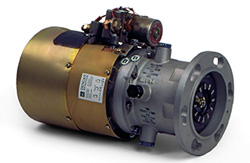
Bendix-Honeywell Starter for a Learjet Starter

The Bendix-Honeywell Starter is a common unit for business aircraft parts exchange transactions.

Often the best option for an operator who is AOG or in critical need of a part is an exchange. Exchanges typically cost more, but offer rapid replacement of a unit rather than the downtime necessary for a repair or overhaul. To avoid additional vendor fees to your core exchange, follow the guidelines below. 

1. Return your exchange core on time

Most vendors give 14 or 21 days to return your core. After this period of time, extended use fees, late fees and even outright billing may apply. Avoid shipping delays by staying in contact with your vendor and providing the proper documentation.

2. Do your exchange before a catastrophic breakdown

Exchange cores not in normal run-out condition are subject to additional billing and even BER (beyond economical repair) billing. Common causes of additional billing include defective stators, fields, armatures, rotors, commutators, shafts, endbells, housings, terminal blocks, fans, solenoids, circuit boards, pistons, etc.

3. Carefully pack exchange core for shipping

Cores are often worth tens of thousands of dollars. If damaged due to poor packing, shippers and insurance will not pay for the damage. This expense falls to the customer.

Duncan Aviation provides extensive repair and overhaul services—including loaners and exchanges—for business aircraft parts, avionics, instruments, accessories and propellers. We maintain a large inventory of business aircraft parts for sale. We also hold more than 70 manufacturer authorizations for avionics, instruments, accessories and propeller units.

For more information about Duncan Aviation’s core exchange service, contact Component Solutions Parts Sales.

Stephen Narciso, serves as an International Part Sales Rep. at Duncan Aviation, specializing in consignment contracts and parts requests. He began working in aviation in 1982.

For more updates from Duncan Aviation, please follow us on Twitter and become a fan on Facebook.

Duncan Download Celebrates the 100th Blog Post


Duncan Aviation


In March of 2010, the first blog post for the Duncan Download was published. Today, in honor of our 100th blog post and the success of all of Duncan Aviation, we are sharing with you a list of 100 achievements, milestones and down-right cool things to brag about that have occurred at Duncan Aviation since the first post.

Celebrate with us.

Company

  1. 55th anniversary of company founding observed
  2. 168,377 square feet of leather goods purchased for new aircraft interiors at BTL and LNK
  3. 5,457 Component Solutions customers served worldwide
  4. 7,259,089 gallons of Jet A fuel sold at Kalamazoo, MI (AZO), Battle Creek, MI (BTL) and Lincoln, NE (LNK)
  5. 133,864 gallons of Avgas sold at AZO, BTL and LNK
  6. 1,652 aircraft delivered out of maintenance at BTL, LNK and Provo, UT (PVU)
  7. 615 business aircraft maintenance road trips to seven countries from all locations
  8. 160 business aviation conventions and events attended by Duncan Aviation
  9. 1,342 AOG engines returned to service in the field by Engine Rapid Response
  10. 1,810 engines returned to service out of BTL and LNK
  11. 204 TFE731 MPIs performed in LNK
  12. 22 Pratt & Whitney Hot Sections performed in BTL
  13. 126,077 Fed Ex packages shipped and received totaling 3,709,389 pounds
  14. 258 aircraft interior refurbishments performed in BTL and LNK
  15. 93 business aircraft painted at BTL
  16. 141 aircraft Wi-Fi solutions installed per a STC at all locations; majority under a Duncan Aviation STC
  17. 157 in-flight internet solutions installed. Duncan Aviation is the market leader
  18. 30 WAAS/LPV systems installed at all locations
  19. 25 Falcon winglets installed at BTL and LNK
  20. 52 Falcon dry bay mods completed at BTL and LNK
  21. 24 Gulfstream water line ribbon heaters upgrades (ASC 469/173) performed
  22. 63 business aircraft prebuy evaluations performed in BTL, LNK and PVU
  23. 624 aircraft landing gear legs overhauled
  24. 1,851 aircraft batteries overhauled or reblocked
  25. 13,710,410 aviation parts sold
  26. 345,000 Component Solutions customer service calls
  27. 11,360 aviation tools calibrated
  28. 2,355 NDT inspections performed
  29. Secured full contractual logistic support for the Mexican Navy Lear program 
  30. 4 year F20 contract renewed with Royal Norwegian Air Force
  31. 13,800 additional labor hours contracted with Offutt AFB in OMA
  32. 1 year contract renewed with Egyptian Air Force
  33. 2 L60 Flight Inspection Aircraft delivered to the Malaysian Department of Civil Aviation
  34. Signed contract for Egyptian Air Force G3 Hush Kit installation
  35. 62 customer dinners at BTL and LNK
  36. 10 customers serving on Duncan Aviation’s Customer Advisory Board
  37. 10 members of Duncan Aviation’s Board of Advisors
  38. 10 customers to serve on the new Duncan Aviation European Customer Advisory Board

Facilities

  1. 25th anniversary of Avionics Satellite Network observed
  2. 10th engine Rapid Response location opened in Seattle, WA
  3. 4 new Satellite Avionics locations opened
  4. 3rd aircraft maintenance facility opened in Provo, UT, with Bombardier (Challenger/Learjet) Authorization
  5. 1 new paint hangar construction project breaks ground at LNK
  6. AHA Fit Friendly Platinum awarded to BTL and LNK
  7. Regional Health Alliance Workplace Wellness Award presented to BTL
  8. 2010 United Way Corporate Volunteer Company of the Year presented to BTL

Authorizations & Certifications

  1. 30th anniversary of Honeywell Authorized TFE731 Major Service Center
  2. 51 revisions approved for existing STCs
  3. 8 type design amendments approved for existing STCs
  4. 16 new STCs issued
  5. 7 Wi-Fi STCs issued in seven airframes, including the first Wi-Fi STC in the Citation 750
  6. 6 WAAS/LPV STCs issued, including the first Learjet 31A, the first Honeywell NZ-2000 FMS in a Falcon 900B and Challenger 601-3A
  7. 6 foreign certificates renewed by audit
  8. 5 PMA supplements added
  9. 4 interior alteration STCs issued
  10. 1 FIS STC issued
  11. First iPad integration for Cabin Control in Falcon 900 certified, iCabin service mark earned
  12. PVU named Embraer Authorized Service Facility for Phenom 100, 300
  13. New authorizations added to China CAAC Repair Station Certificate
  14. Named exclusive repair service provider for Avidyne Legacy Display System

Private Flight Services

  1. Launched Safety Management System
  2. 11 aircraft owned, managed and operated
  3. 2,800 flight hours flown by 13 Duncan Aviation pilots
  4. 1,000,000 miles flown by 13 Duncan Aviation pilot

Team members

  1. 20th anniversary of Duncan Aviation Project Manager Services
  2. 10th anniversary of Engine Rapid Response AOG Services
  3. 475 military veterans serving at Duncan Aviation
  4. 312 new Duncan Aviation employees hired
  5. 230 technicians attended OEM factory training for 14 airframe or engine types
  6. 12 Duncan Aviation employees retired
  7. 217 employees volunteered for the 2010 National Special Olympic Games in Lincoln, NE
  8. 35 Duncan Aviation employees employed at least 25 years inducted into Silver Wings Club
  9. 77 babies born to Duncan Aviation families
  10. 15 employees serving on business aviation industry boards
  11. 13 employees qualified in or expanded responsibilities as Unit Members under ODA designation
  12. 20 multilingual representatives located in 14 countries
  13. 1 new European Regional Manager
  14. 2,746 vacation hours donated to fellow coworkers in need
  15. 2,327 items of food donated to local food programs
  16. United Way Corporate Volunteer Company of the year for 2010 (BTL)
  17. $177,981 raised for United Way at LNK, BTL and AZO
  18. Generously supported many other local charities in every community  

Informational Resources

  1. Job status tracking launched for myDuncan.aero
  2. ADS-B Straight Talk book published.
  3. Field Guides published about business aircraft Issues
  4. The Duncan Download Blog launched
  5. Understanding WAAS/LPV” Video Series launched
  6. 73 Duncan Intelligence articles published
  7. 72% increase in new visits to www.DuncanAviation.aero
  8. Updated company logo designed and introduced
  9. Company video, websites and brochure launched in five languages
  10. Web directory expanded to include profiles of customer contacts
  11. WAAS/LPV calculator launched to demonstrate technology value
  12. Inflight internet system selection tool launched

Additional Service Offerings

  1. Bombardier Global Service capabilities expanded
  2. Phased Interior Maintenance program launched
  3. Interior Program with 14-Day Downtime Guarantee launched for Learjet and Citation models
  4. Chrome-free paint process launched
  5. New avionics capabilities for Avidyne Flightmax indicators, ELTA and Socata ELTs
  6. Earth-friendly interior materials selected for interior refurbishments

For more updates from Duncan Aviation, please follow us on Twitter and become a fan on Facebook.

3 Things to Look for in a Business Aircraft Autopilot Support Team


Contributed by Kevin Miesbach, Avionics and Instruments Shop Manager

computer wifi troubleshooting

Duncan Aviation's Avionics Tech Reps, Curt Campbell and Larry Troyer help operators troubleshoot squawks and coordinate autopilot repairs.

The autopilot is a vital component on an aircraft. When it isn’t functioning properly, there can be all kinds of problems. There aren’t many places where operators can find the autopilot knowledge, experience and technical expertise all in one place.

What if operators could create their own autopilot team? They would be able to troubleshoot the system in the aircraft more efficiently, ensure the right box or boxes are removed for repair, access autopilot loaners while equipment is in for repair and schedule appropriate turn times.

Here are three criteria to look for when selecting an autopilot support center.

1. Autopilot Technical Experts

Sometimes an experienced technical representative can ask questions to walk an operator through a series of troubleshooting steps over the phone. However, being able to troubleshoot an autopilot squawk over the phone requires an intimate knowledge of the system and how it works on all airframe models. Qualified autopilot tech reps are able to troubleshoot and isolate autopilot problems on aircraft over the phone and by utilizing test flights for the more intermittent glitches.

2. Autopilot Customer Account Support

Customer service is very important when an autopilot needs to be repaired. Account reps should be intimately familiar with scheduling and turn times associated with different types of autopilot equipment. They should also maintain good communication with avionics teams, and be knowledgeable about which technicians are most experienced with the autopilot specific to an operator’s aircraft. If the need arises, they should also be able to connect an operator directly to the avionics tech to clarify squawk information or quote options.

3. Skilled Autopilot Leaders

Managing a team of autopilot technicians, coordinating test equipment and ensuring downtimes are met has its challenges. Verifying a squawk for a simple function check can exceed eight hours on some a/p computers. A skilled autopilot team leader can use their resources effectively to repair and return an autopilot on time and on budget.

Duncan Aviation’s Component Solutions team includes autopilot technical experts with the expertise and capabilities to work on many aircraft models, including Learjet, Citation, Falcon, Challenger, Hawker, Westwind/Astra, King Air, Piper Cheyenne and Rockwell Commander. Search our aircraft parts and capabilities list to verify our expertise on your autopilot. For more information please call Duncan Aviation's Avionics Customer Account Reps or Technical Representatives.

Kevin Miesbach is the Avionics and Instruments Shop Manager for Duncan Aviation’s Component Solutions team located in Lincoln, Neb. His aviation career began in 1985.

For more updates from Duncan Aviation, please follow us on Twitter and become a fan on Facebook.

3 Factors to Determine When to Use Mobile Aircraft Services


Contributed By Dennis VanStrien, Airframe Service Sales Rep

engine rapid response team

Mobile aircraft service units—like Duncan Aviation's interior SWATAOG parts and Engine Rapid Response Teams—offer on-site cleaning, AOG support and even major inspections. 

Mobile service units are in the headlines a lot these days. Most of the big aircraft service names have them and there are also a lot of smaller operations throughout the United States. They offer everything from cleaning to AOG emergencies to engine changes and even major inspections.

So, how do you know when mobile aircraft service is a good option for you? Here are three things to consider:

1. Downtime

Sometimes a road team will be able to solve a problem faster than you can, and can reach you in a time frame that may compete with a full-service facility's onsite availability.

This is true for troubleshooting and AOG parts situations. You can get the team and the parts to your location in relatively short order and be back in the air in no time. However, for larger jobs, it may take a road team longer than a full team at a service center. Two or three guys working dozens of labor hours will just take longer than five to six guys working an inspection on round-the clock shifts.

2. Cost

Using road teams spares you the cost of moving your airplane to a full-service facility, and for someone to travel with it to watch over the maintenance. A mobile team can be a good solution for an in-house team that needs a day or two of technical or heavy help, but can handle the rest of the inspection on their own.

However, road teams cost more. You are paying for their time, door-to-door service and in many cases their expenses. Convenience costs more.

3. Unforeseen Complications

What if an inspection uncovers something that needs more time, tools, parts or expertise to fix? The short answer is you are most likely in for more downtime. For instance, a cracked window. A repair in the field would extend the downtime, while a repair at a full-service facility would not.

So, consider your options and choose wisely. Sometimes service from a professional team in your hangar can be a real benefit. And sometimes it's just better to take your aircraft to a full-service facility. The great news is you have the choice!

Dennis VanStrien is an Airframe Service Sales Rep at Duncan Aviation's Battle Creek, Mich. facility, and specializes in Citation aircraft. He began working in aviation in 1976.

For more updates from Duncan Aviation, please follow us on Twitter and become a fan on Facebook.

The Five Most Exotic Duncan Aviation Road Trips of 2010


Contributed by Erin Hart, Duncan Aviation Apprentice

Egypt road trip

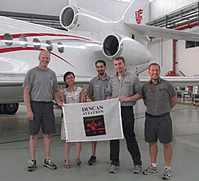
After working with the Egyptian Air Force on engine training for their Falcon 20, Engine Tech Rep Shane Heier and his wife Katie took a few days to travel Egypt.

Duncan Aviation provides emergency AOG support to grounded aircraft nearly anywhere in the world, making hundreds of service trips a year. In 2010, team members traveled to some of the most exotic locales including such places as Puerto Vallarta, Mexico; Guayaquil, Ecuador; Merida, Mexico; Cairo, Egypt and St. George, Bermuda. While providing the most-needed AOG services to our customers at their location, team members also took in some local culture, food and sites.

Puerto Vallarta, Mexico

In the spring of 2010, avionics tech Gene Dannenberger flew from the Duncan Aviation avionics satellite shop in Sacramento, Cal., to Puerto Vallarta, Mexico, to install a Duncan Aviation repaired radar system in a Jetstar. While there, Gene took advantage of the wonderful weather to become a sightseer at many of the local tourist spots including downtown Puerto Vallarta, the marina and of course, the beach.

While performing this routine maintenance, he was entertained throughout the day with music playing in some nearby trees and was visited by a couple of armed airport guards who came out to watch the radar change.

Guayquil, Ecuador

A quick trip to Ecuador for one Duncan Aviation Engine Rapid Response Team (RRT) technician turned out to be more than expected one day in July. After arriving, Karl Johnson, Rapid Response Team Leader from Fort Lauderdale, Fla. went to work troubleshooting the squawk and quickly discovered a faulty oil pump. James Holmes, an engine tech also from the Fort Lauderdale RRT, hand-delivered the part in order to complete the project on time for the customer. Together they completed the maintenance and headed back to Florida, arriving at 6 a.m. the next morning.

In reflection, Karl admitted that the trip was too short and had he been able to stay longer would have visited a local establishment known for having great steaks.  

Merida, Mexico

Karl's trip to Central America didn’t end in Ecuador. He took three separate trips to Merida, Mexico in a span of about two months. What began as a fuel control change turned into troubleshooting for a compressor stall. Finally, the project came full circle with an engine change two weeks later.

This trip, even with the short time and busy schedule, Karl did find time to enjoy the nice people and good food of Merida, Mexico. “I didn’t have the extra time to learn about the area and culture, but I now know how to drink a Mexican beer the right way.”

If he ever gets the opportunity to return, Karl hopes to visit the Mayan Pyramids.

Cairo, Egypt

Shane Heier, an Engine Tech Rep out of Lincoln, Neb. traveled over 4,000 miles to Cairo, Egypt not once, but twice in 2010. For six days in the heart of the Arabian Desert, Shane’s first trip provided the Egyptian Air Force LRU training for the Honeywell TFE731-5BR engine on their Falcon 20.

Taking advantage of his time in Egypt, he and his wife Katie stayed an extra couple days traveling the region and exploring a land rich in history. Their adventures took them to the Pyramids of Giza, the Cairo Museum, a church in Coptic Cairo and a visit to the Alexandria Library of Alexandria located along the Mediterranean Sea.

A month later, Shane got the chance to visit Cairo again and was accompanied this time by Jeff Sikes, RRT engine tech from Scottsdale, Ariz. Duncan Aviation's Rapid Response Teams support AOG engine emergencies in addition to most scheduled and unscheduled events, including engine changes and that is exactly what brought the two to Cairo. They were dispatched to change an engine for a Dassault Falcon 20 aircraft onsite.

Shane’s time in Egypt was an experience he will not forget and remarks that he would visit again if given the chance.

St. George, Bermuda

A quick trip to change an igniter box meant a short get away for Engine Line lead technician, Eric Perez. Eric was dispatched from Lincoln to St. George for work on a Falcon 50EX.

The trip was short, not allowing much time for sight seeing, but Eric enjoyed his stay at Grotto Bay Beach Resort and the chance to experience the beauty of Bermuda.

Erin Hart is a Duncan Aviation Apprentice working in the Marketing Communications department at the Lincoln Nebraska facility. She began working in aviation in 2007.

For more updates from Duncan Aviation, please follow us on Twitter and become a fan on Facebook.

All Posts